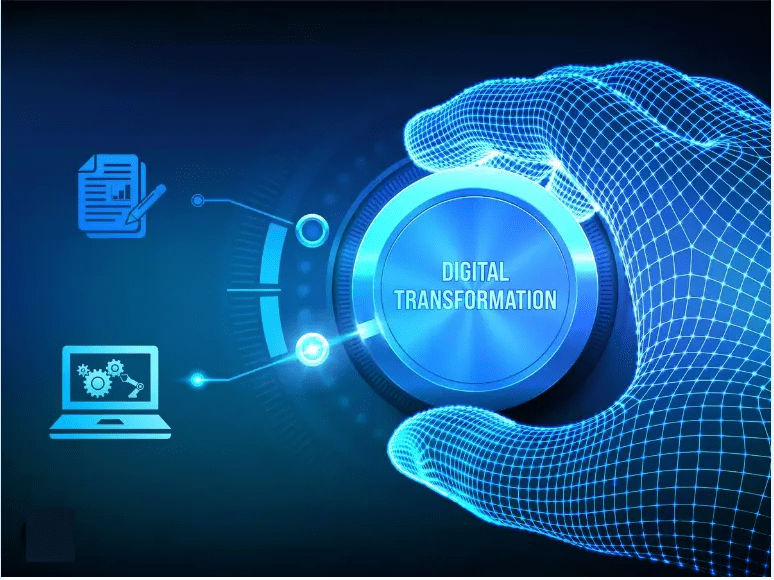
The business landscape has changed dramatically over the last decade. Technology now influences how companies communicate, serve customers, manage operations, and compete in the marketplace. Businesses that once relied entirely on traditional methods are increasingly adopting digital tools to improve efficiency and meet customer expectations. This shift has made many organizations ask an important question: why businesses need digital transformation.
Digital transformation is not simply about purchasing new software or creating a website. It involves integrating technology into every area of a business to improve processes, enhance customer experiences, and support long-term growth. Companies that successfully embrace digital transformation often become more agile, competitive, and prepared for future challenges.


In this article from googdesk.com, we will explore why businesses need digital transformation, the benefits it provides, and how organizations can use technology to thrive in today’s digital economy.
Understanding Digital Transformation
Before discussing why businesses need digital transformation, it is important to understand what digital transformation means.
Digital transformation refers to the process of using digital technologies to improve business operations, products, services, and customer interactions.
This can include:
- Cloud computing
- Artificial intelligence
- Data analytics
- Automation tools
- Mobile applications
- Digital communication platforms
The goal is to create a more efficient and customer-focused organization that can adapt to changing market conditions.
The Digital Era Has Changed Business Expectations
Technology has changed how people shop, communicate, and interact with businesses.
Today’s customers expect:
- Fast service
- Personalized experiences
- Online accessibility
- Instant communication
- Convenient purchasing options
Businesses that fail to meet these expectations often struggle to remain competitive.
Digital transformation helps organizations align with modern customer demands and remain relevant in a rapidly evolving market.
Improving Operational Efficiency
One of the biggest reasons why businesses need digital transformation is the ability to improve efficiency.
Automating Repetitive Tasks
Many business activities involve repetitive manual work.
Examples include:
- Data entry
- Invoice processing
- Inventory tracking
- Appointment scheduling
Automation software can handle these tasks faster and more accurately than traditional methods.
Reducing Human Errors
Manual processes often increase the risk of mistakes.
Digital systems help reduce errors by standardizing workflows and improving accuracy.
This leads to:
- Better productivity
- Improved customer satisfaction
- Reduced operational costs
Streamlining Business Processes
Digital tools allow departments to work together more effectively.
Improved workflows can eliminate unnecessary delays and help employees focus on high-value activities.
Enhancing Customer Experience
Customer experience has become a major factor in business success.
Meeting Modern Customer Expectations
Consumers want businesses to be available whenever they need assistance.
Digital transformation enables:
- Online support
- Self-service options
- Mobile access
- Faster responses
Providing these services improves customer satisfaction and loyalty.
Personalizing Customer Interactions
Technology allows businesses to collect and analyze customer data.
This information can help organizations:
- Recommend products
- Create targeted marketing campaigns
- Offer customized experiences
Personalization often strengthens customer relationships.
Faster Communication
Digital communication tools make it easier to interact with customers through:
- Live chat
- Social media
- Customer portals
Quick communication improves the overall customer experience.
Better Decision-Making Through Data
Data has become one of the most valuable business resources.
Access to Real-Time Information
Digital systems provide immediate access to important business data.
Managers can monitor:
- Sales performance
- Customer behavior
- Inventory levels
- Financial metrics
This information supports faster and more informed decisions.
Identifying Trends
Data analytics helps businesses identify patterns and opportunities.
Organizations can better understand:
- Customer preferences
- Market trends
- Business performance
This knowledge supports strategic planning and growth.
Improving Forecasting
Digital tools can help predict future demand and market conditions.
Better forecasting reduces uncertainty and improves resource planning.
Increasing Employee Productivity
Productive employees contribute directly to business success.
Providing Better Tools
Digital solutions help employees complete tasks more efficiently.
Examples include:
- Project management software
- Collaboration platforms
- Cloud-based applications
These tools improve workflow and reduce unnecessary delays.
Supporting Remote Work
Modern businesses increasingly support flexible work arrangements.
Digital technology enables employees to:
- Work remotely
- Access files securely
- Participate in virtual meetings
- Collaborate online
This flexibility can improve both productivity and employee satisfaction.
Simplifying Information Access
Cloud systems allow employees to access important information from virtually anywhere.
Easy access to resources helps teams work more efficiently.
Staying Competitive in a Changing Market
Competition continues to increase across nearly every industry.
Adapting to Industry Changes
Businesses that embrace technology often adapt more quickly to changing market conditions.
Organizations that resist change may struggle to keep up with competitors.
Encouraging Innovation
Digital transformation creates opportunities for innovation.
Businesses can develop:
- New products
- New services
- Better customer experiences
- Improved business models
Innovation helps organizations remain competitive and relevant.
Responding Faster to Opportunities
Digital systems provide businesses with greater flexibility and agility.
Organizations can respond more quickly to customer demands and market trends.
Supporting Business Growth
Growth is a primary goal for most companies.
Expanding Market Reach
Digital platforms allow businesses to reach customers beyond their local markets.
Through:
- E-commerce
- Social media
- Digital marketing
companies can attract customers from around the world.
Scaling Operations
Digital systems make it easier to handle increased demand.
Businesses can grow without significantly increasing staffing or operational costs.
Creating New Revenue Streams
Technology often creates opportunities for new business models.
Examples include:
- Subscription services
- Online courses
- Software solutions
- Digital products
These opportunities can support long-term business expansion.
Improving Collaboration Across Teams
Strong teamwork is essential for organizational success.
Better Communication
Digital communication platforms help employees stay connected.
Popular tools support:
- Messaging
- Video meetings
- File sharing
- Project coordination
These capabilities improve efficiency and teamwork.
Cross-Department Cooperation
Digital systems make it easier for departments to share information and collaborate on projects.
Improved cooperation often leads to better results.
Knowledge Sharing
Organizations can store information digitally and make it accessible to employees.
Knowledge sharing improves consistency and supports employee development.
Enhancing Security and Risk Management
Security has become increasingly important in the digital age.
Protecting Business Data
Digital transformation often includes cybersecurity improvements.
These measures help protect:
- Customer information
- Financial records
- Confidential business data
Supporting Business Continuity
Cloud-based systems provide backup and recovery capabilities.
Businesses can recover more quickly from unexpected disruptions.
Meeting Regulatory Requirements
Digital tools can simplify compliance by automating documentation and reporting processes.
This helps organizations reduce legal and operational risks.
Adapting to Changing Consumer Behavior
Consumer behavior continues to evolve.
Growing Demand for Online Services
Customers increasingly prefer digital interactions.
Examples include:
- Online shopping
- Mobile banking
- Virtual consultations
- Digital payments
Businesses must adapt to these preferences.
Mobile-First Expectations
Many consumers now interact with brands primarily through smartphones.
Mobile-friendly experiences have become essential.
Demand for Convenience
Technology enables businesses to offer faster and more convenient services.
Convenience often plays a major role in purchasing decisions.
Common Challenges of Digital Transformation
Although digital transformation offers many benefits, it can also present challenges.
Employee Resistance
Some employees may feel uncomfortable learning new systems.
Proper training and communication can help ease the transition.
Initial Investment Costs
Implementing new technologies often requires financial investment.
However, these investments frequently produce long-term benefits.
Cybersecurity Concerns
As businesses become more digital, protecting systems and data becomes increasingly important.
Strong security strategies are essential.
Steps Toward Successful Digital Transformation
Businesses can improve their chances of success by following a structured approach.
Define Clear Objectives
Identify what the organization hopes to achieve through digital transformation.
Invest in Employee Training
Provide employees with the knowledge and skills needed to use new technologies effectively.
Focus on Customer Needs
Customer experience should remain a central priority throughout the transformation process.
Measure Results
Track key performance indicators to evaluate progress and identify improvement opportunities.
The Future of Digital Transformation
Technology will continue to evolve rapidly.
Emerging innovations include:
- Artificial intelligence
- Machine learning
- Internet of Things
- Advanced automation
- Predictive analytics
Businesses that embrace these technologies will likely gain significant advantages in the future.
Digital transformation is becoming an ongoing process rather than a one-time project.
Conclusion
Understanding why businesses need digital transformation is essential for organizations seeking long-term success. Digital transformation improves efficiency, enhances customer experiences, supports innovation, strengthens competitiveness, and creates opportunities for growth.
While implementation may involve challenges, the benefits often outweigh the costs. Companies that embrace digital transformation are generally better prepared to adapt to market changes, meet customer expectations, and remain competitive in a technology-driven world.
At googdesk.com, we believe that digital transformation is one of the most important investments modern businesses can make. By adopting the right technologies and strategies, organizations can build stronger foundations for future growth and success.
Frequently Asked Questions
What is digital transformation in business?
Digital transformation involves using technology to improve business processes, customer experiences, and overall organizational performance.
Why do businesses need digital transformation?
Businesses need digital transformation to increase efficiency, remain competitive, improve customer satisfaction, and support growth.
How does digital transformation improve productivity?
Digital tools automate repetitive tasks, streamline workflows, improve collaboration, and help employees work more efficiently.
What technologies are commonly used in digital transformation?
Common technologies include cloud computing, automation software, artificial intelligence, data analytics, and digital communication platforms.
Is digital transformation only for large companies?
No. Businesses of all sizes can benefit from digital transformation by improving efficiency, reducing costs, and creating better customer experiences.
- How Virtual Workspaces Improve Team Productivity
- How Can Metromsk.com Improve Website Traffic? A Complete Guide for Businesses
- Can I Bookmark Comics on Reaper Scans? A Complete Guide for Manga and Manhwa Readers
- What Should I Do If I Type Onboardicafe.con by Mistake? A Complete Guide
- Can I Watch Movies Safely Instead of Fimlyzilla? A Complete Guide to Legal and Secure Streaming