Healthy skin is more than just a cosmetic concern. It plays an important role in protecting the body, regulating temperature, and supporting overall health. However, every person’s skin is unique. Factors such as age, genetics, lifestyle, environment, and medical history can all influence skin health. This is why personalized dermatology consultations and treatments have become increasingly important in modern skincare and healthcare.
Unlike generic skincare recommendations, personalized dermatology focuses on creating customized treatment plans based on an individual’s specific skin type, concerns, and goals. Whether someone is dealing with acne, eczema, pigmentation issues, aging skin, or chronic skin conditions, personalized care often provides more effective and long-lasting results.


Many health and wellness discussions on www juntosseguros com highlight the importance of individualized healthcare solutions. Dermatology is one area where personalized treatment can significantly improve both skin health and patient satisfaction.
In this article, we will explore the benefits of personalized dermatology consultations and treatments, explain how they work, discuss common skin conditions, and show why customized skincare is becoming the future of dermatological care.
What Are Personalized Dermatology Consultations and Treatments?
Personalized dermatology is a patient-focused approach that considers the unique characteristics of an individual’s skin before recommending treatments.
Rather than using a standard treatment plan for everyone, dermatologists evaluate:
- Skin type
- Medical history
- Lifestyle habits
- Environmental exposure
- Current skin concerns
- Long-term skincare goals
The information gathered during the consultation helps create a treatment plan specifically designed for the patient.
This customized approach often leads to better outcomes because it addresses the root causes of skin issues rather than simply treating symptoms.
Why Personalized Skincare Matters
Every person’s skin behaves differently.
A product that works well for one individual may not work for another.
Several factors influence skin health, including:
Genetics
Genetic factors affect skin texture, sensitivity, aging, and susceptibility to certain conditions.
Hormones
Hormonal changes can contribute to acne, pigmentation issues, and other skin concerns.
Environment
Sun exposure, pollution, humidity, and climate all affect skin health.
Lifestyle Choices
Diet, stress, sleep quality, and exercise habits can influence the appearance and condition of the skin.
Because of these differences, personalized care often produces better results than one-size-fits-all solutions.
Understanding Different Skin Types
A major part of personalized dermatology consultations and treatments involves identifying skin type.
Common skin types include:
Normal Skin
Balanced moisture levels and minimal sensitivity.
Oily Skin
Produces excess oil and may be more prone to acne.
Dry Skin
Often feels tight and may experience flaking or irritation.
Combination Skin
Contains both oily and dry areas.
Sensitive Skin
More likely to react to skincare products or environmental triggers.
Understanding skin type allows dermatologists to recommend appropriate products and treatments.
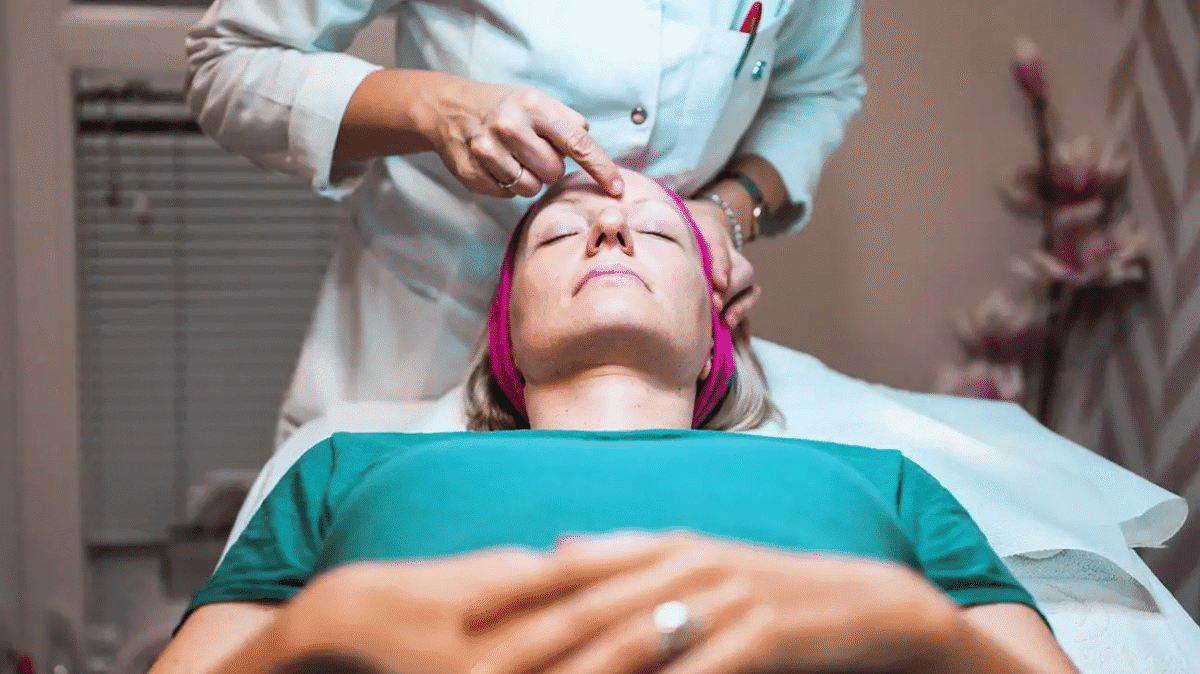
What Happens During a Dermatology Consultation?
Many people are unsure what to expect during a dermatology appointment.
A personalized consultation typically includes several important steps.
Medical History Review
The dermatologist may ask about:
- Existing medical conditions
- Allergies
- Medications
- Family history
- Previous skin treatments
This information helps identify factors that may contribute to skin concerns.
Skin Examination
The dermatologist carefully examines the skin to assess:
- Texture
- Hydration
- Pigmentation
- Acne severity
- Signs of aging
- Moles or lesions
The examination provides valuable information about overall skin health.
Discussion of Concerns
Patients often discuss issues such as:
- Acne
- Rosacea
- Eczema
- Hair loss
- Wrinkles
- Dark spots
- Skin sensitivity
Understanding patient goals helps guide treatment planning.
Customized Recommendations
After the evaluation, the dermatologist creates a personalized treatment strategy designed to meet the individual’s needs.
Common Conditions Treated Through Personalized Dermatology
Many skin concerns benefit from customized treatment approaches.
Acne
Acne affects millions of people and can occur at any age.
Personalized acne treatment may include:
- Prescription medications
- Topical creams
- Lifestyle recommendations
- Skincare routines
Different causes of acne require different treatment approaches.
Eczema
Eczema often causes:
- Dry skin
- Itching
- Redness
- Inflammation
Personalized care helps identify triggers and reduce flare-ups.
Rosacea
Rosacea can cause facial redness and sensitivity.
Customized treatments help manage symptoms and improve skin appearance.
Psoriasis
Psoriasis is a chronic condition that requires ongoing management.
Personalized treatment plans may include medications, skincare products, and lifestyle adjustments.
Hyperpigmentation
Dark spots and uneven skin tone often respond well to customized treatment plans.
Personalized Anti-Aging Treatments
Many people seek dermatological care to address signs of aging.
Common concerns include:
- Fine lines
- Wrinkles
- Loss of elasticity
- Uneven skin tone
Personalized anti-aging treatments may include:
Medical-Grade Skincare Products
Customized skincare routines support healthier skin.
Chemical Peels
These treatments help improve skin texture and tone.
Laser Treatments
Laser technology can target pigmentation and signs of aging.
Injectable Treatments
Certain procedures help reduce wrinkles and restore facial volume.
Customized anti-aging strategies often provide more natural-looking results.
Skin Cancer Detection and Prevention
One of the most important benefits of personalized dermatology consultations and treatments is early detection of skin cancer.
Dermatologists evaluate:
- Moles
- Skin lesions
- Changes in skin appearance
Individuals with higher risk factors may require more frequent monitoring.
Early detection greatly improves treatment success and overall outcomes.
The Role of Technology in Modern Dermatology
Technology continues to transform skincare and dermatological care.
Modern tools include:
Digital Skin Imaging
Allows detailed analysis and monitoring of skin changes.
Artificial Intelligence
Supports diagnosis and treatment planning.
Teledermatology
Enables remote consultations and follow-up care.
Progress Tracking
Digital tools help monitor treatment effectiveness over time.
Technology allows dermatologists to deliver more precise and personalized care.
Lifestyle Factors That Affect Skin Health
Healthy skin is influenced by more than skincare products.
Important lifestyle factors include:
Nutrition
A balanced diet provides nutrients that support skin health.
Hydration
Proper hydration helps maintain skin function and appearance.
Sleep
Quality sleep supports skin repair and recovery.
Stress Management
Stress can worsen many skin conditions.
Sun Protection
Protecting skin from ultraviolet radiation reduces damage and aging.
Many health resources on www juntosseguros com emphasize the importance of combining medical treatment with healthy lifestyle habits.
Benefits of Personalized Dermatology
Patients often experience several advantages.
| Benefit | Description |
|---|---|
| Better Results | Treatments are tailored to individual needs |
| Fewer Side Effects | Reduced risk of irritation |
| Early Detection | Faster identification of skin issues |
| Improved Confidence | Healthier skin often improves self-esteem |
| Long-Term Care | Ongoing monitoring and adjustments |
| Personalized Guidance | Customized recommendations and support |
These benefits make personalized dermatology an increasingly popular option for individuals seeking effective skincare solutions.
Importance of Follow-Up Appointments
Skin health can change over time.
Follow-up visits allow dermatologists to:
- Monitor progress
- Adjust treatments
- Address new concerns
- Improve long-term outcomes
Ongoing care helps ensure treatment plans remain effective.
The Future of Personalized Dermatology
The future of dermatology is becoming more individualized.
Emerging developments include:
- Advanced skin imaging
- Genetic testing
- Artificial intelligence diagnostics
- Personalized product formulations
- Expanded telehealth services
These innovations are expected to improve treatment accuracy and patient outcomes even further.
Conclusion
Personalized dermatology consultations and treatments are transforming the way skin conditions are diagnosed and managed. By considering an individual’s unique skin characteristics, medical history, lifestyle, and goals, dermatologists can develop customized treatment plans that deliver more effective and lasting results.
As healthcare continues to evolve, personalized care is becoming increasingly important. Resources and wellness discussions on www juntosseguros com often emphasize the value of tailored healthcare solutions that address the specific needs of each individual.
Whether managing acne, eczema, aging concerns, pigmentation issues, or preventive skin health, personalized dermatology provides a smarter and more effective path toward healthier skin and greater confidence.
Frequently Asked Questions (FAQs)
1. What are personalized dermatology consultations and treatments?
They are customized dermatology services designed around an individual’s skin type, medical history, concerns, and treatment goals.
2. Why is personalized dermatology important?
Personalized care helps ensure treatments are matched to each person’s unique skin needs, often leading to better results.
3. What conditions can personalized dermatology treat?
It can help manage acne, eczema, rosacea, psoriasis, hyperpigmentation, aging concerns, and many other skin conditions.
4. Can dermatology consultations be done online?
Yes. Many dermatologists offer teledermatology services that provide virtual consultations and follow-up care.
5. How often should I see a dermatologist?
The frequency depends on your skin condition and personal risk factors, but regular evaluations can support long-term skin health and early detection of problems.
- How Virtual Workspaces Improve Team Productivity
- How Can Metromsk.com Improve Website Traffic? A Complete Guide for Businesses
- Can I Bookmark Comics on Reaper Scans? A Complete Guide for Manga and Manhwa Readers
- What Should I Do If I Type Onboardicafe.con by Mistake? A Complete Guide
- Can I Watch Movies Safely Instead of Fimlyzilla? A Complete Guide to Legal and Secure Streaming