As people grow older, daily life can become more challenging. Tasks that once seemed simple, such as bathing, dressing, cooking meals, or walking around the house, may become difficult because of aging, illness, weakness, or mobility problems. This is why elderly home care assistance for daily activities has become increasingly important for seniors and their families.
Home care services allow elderly individuals to receive support while remaining in the comfort of their own homes. Many seniors prefer staying in familiar surroundings where they feel emotionally secure and independent. Home care not only improves physical safety but also supports emotional health and quality of life.


Today, many healthcare and staffing organizations understand the growing need for professional elderly support. Websites such as cstaffinggroup.com often highlight the importance of skilled caregiving services and professional support systems that improve senior care and healthcare assistance.
Understanding Elderly Home Care Assistance for Daily Activities
Elderly home care assistance for daily activities refers to professional or family-based caregiving support provided inside the senior’s home. These services help aging adults manage everyday tasks safely and comfortably.
The goal of home care is not only to help seniors physically but also to preserve dignity, independence, and emotional well-being.
Home care assistance may include:
- Bathing support
- Dressing assistance
- Meal preparation
- Medication reminders
- Walking support
- Housekeeping
- Emotional companionship
- Transportation assistance
Some seniors require only part-time support, while others may need full-time or live-in caregivers depending on their health condition.
Why Elderly Home Care Is Important
Growing older often brings physical and emotional challenges. Seniors may develop mobility limitations, memory issues, balance problems, or chronic health conditions that affect daily life.
Without proper support, simple activities can become stressful or unsafe.
Maintaining Independence
One of the biggest advantages of home care is that seniors can continue living independently while receiving necessary help.
Many elderly individuals fear losing control over their lives. Home care assistance allows them to maintain routines, personal choices, and privacy while receiving support only where needed.
Emotional Comfort and Familiarity
Home environments provide emotional comfort because seniors remain surrounded by family memories, familiar furniture, and personal belongings.
A familiar setting often reduces confusion, anxiety, and emotional stress, especially for seniors experiencing cognitive decline or memory-related conditions.
Reduced Family Stress
Family members often feel overwhelmed while caring for elderly loved ones alongside work and personal responsibilities. Professional home care services reduce this burden while ensuring seniors receive proper care and attention.
Common Daily Activities Seniors Need Help With
As aging affects physical strength and mobility, many seniors require support with Activities of Daily Living (ADLs). These are basic tasks necessary for maintaining health and personal care.
Personal Hygiene and Bathing Assistance
Bathing and personal hygiene are essential for physical health and emotional confidence. However, bathrooms can become dangerous for seniors because of slippery floors and balance issues.
Caregivers help seniors with:
- Safe bathing
- Hair washing
- Oral hygiene
- Grooming
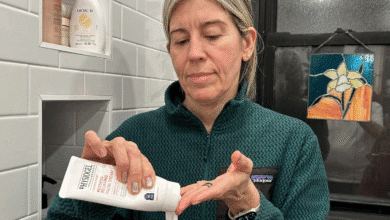
- Skin care
This assistance improves cleanliness while reducing the risk of falls and injuries.
Dressing Assistance
Arthritis, joint pain, or weakness can make dressing difficult for elderly individuals.
Home caregivers may help with:
- Choosing suitable clothing
- Wearing shoes
- Fastening buttons and zippers
- Seasonal clothing adjustments
This support allows seniors to feel comfortable and maintain dignity.
Meal Preparation and Nutrition Support
Healthy eating is extremely important for aging adults. Proper nutrition helps maintain energy, immunity, and overall health.
Unfortunately, many seniors struggle with grocery shopping or cooking due to weakness or limited mobility.
Caregivers may assist with:
- Meal preparation
- Grocery shopping
- Encouraging hydration
- Monitoring dietary restrictions
- Feeding assistance if necessary
Balanced nutrition can greatly improve physical wellness and reduce health complications among seniors.
Medication Management and Reminders
Many elderly individuals take multiple medications daily. Missing medicines or taking incorrect doses can create serious health problems.
Caregivers help seniors by:
- Organizing medications
- Giving reminders
- Monitoring schedules
- Tracking prescription refills
Medication assistance improves health safety and reduces medical risks.
Mobility and Walking Assistance
Mobility challenges are common among aging adults. Seniors may struggle with walking, climbing stairs, or standing for long periods.
Caregivers provide mobility support such as:
- Walking assistance
- Wheelchair transfers
- Stair support
- Fall prevention
- Physical movement supervision
This support helps seniors move safely and confidently throughout the home.
Housekeeping and Home Maintenance
Maintaining a clean home can become physically exhausting for seniors.
Caregivers often assist with:
- Laundry
- Cleaning rooms
- Dishwashing
- Organizing household items
- Changing bed linens
A clean and organized environment improves comfort, hygiene, and safety.
Emotional Support and Companionship
Home care is not only about physical assistance. Emotional support is equally important.
Many seniors experience loneliness because of retirement, reduced social interaction, or the loss of loved ones. Social isolation can negatively affect mental and emotional health.
Caregivers provide companionship through:
- Friendly conversations
- Shared meals
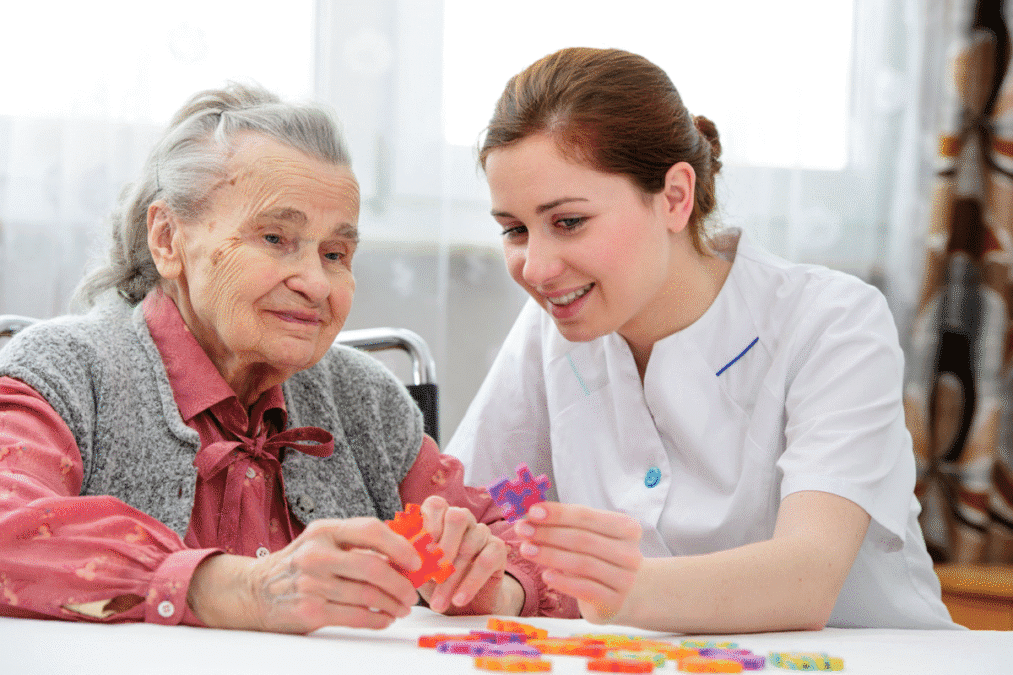
- Games and hobbies
- Outdoor walks
- Emotional encouragement
Simple human interaction can greatly improve happiness and emotional wellness.
Benefits of Elderly Home Care Assistance for Daily Activities
Personalized Care
Unlike nursing homes where caregivers assist many residents, home care focuses on one individual’s needs and preferences.
Care plans are customized based on:
- Health conditions
- Mobility levels
- Dietary needs
- Daily routines
- Personal comfort
Improved Safety
Professional caregivers help reduce common risks such as:
- Falls
- Medication mistakes
- Poor nutrition
- Dehydration
- Injuries
Safety-focused care allows seniors to remain comfortable and protected.
Better Quality of Life
Seniors receiving proper home care often experience:
- Greater confidence
- Emotional stability
- Better physical health
- More independence
- Reduced stress
Home care improves both physical and emotional well-being.
Types of Elderly Home Care Services
Part-Time Home Care
Part-time caregivers provide assistance for a few hours daily or weekly.
This option works well for seniors who remain mostly independent.
Full-Time Caregiving Support
Some seniors require continuous assistance because of advanced health conditions or mobility challenges.
Full-time caregivers provide support throughout the day.
Live-In Care Services
Live-in caregivers stay inside the senior’s home and provide around-the-clock support when necessary.
This service is common for seniors with severe mobility limitations or memory disorders.
Choosing the Right Home Care Provider
Selecting the right caregiver is extremely important for senior comfort and safety.
Experience and Training
Caregivers should have proper knowledge of elderly healthcare and safety practices.
Compassion and Patience
Kindness and emotional understanding are essential in elderly care.
Communication Skills
Good communication improves coordination between caregivers, seniors, and family members.
Reliability and Trustworthiness
Families should choose caregivers with strong references and professional backgrounds.
Healthcare staffing providers such as cstaffinggroup.com often emphasize the importance of trained healthcare professionals and compassionate caregiving support for elderly individuals.
Technology in Elderly Home Care
Modern technology is improving elderly home care services significantly.
Helpful technologies include:
- Medication reminder apps
- Emergency alert systems
- Smart monitoring devices
- Video doctor consultations
- Fall detection systems
Technology improves communication, safety, and healthcare management for seniors living at home.
Challenges Families Face in Elderly Care
Providing care for aging loved ones can sometimes become emotionally and physically difficult.
Families often face challenges such as:
- Time management issues
- Emotional stress
- Physical exhaustion
- Financial pressure
- Medical responsibilities
Professional home care assistance helps families manage these responsibilities more effectively.
The Importance of Respect and Dignity
Elderly individuals deserve compassion, patience, and respect. Good caregivers understand the emotional needs of seniors and support them with kindness.
Care should always focus on preserving dignity and encouraging independence whenever possible.
Simple acts of patience and understanding can greatly improve a senior’s emotional confidence and overall happiness.
FAQs
1. What is elderly home care assistance for daily activities?
It is caregiving support that helps seniors with everyday tasks such as bathing, dressing, meal preparation, medication reminders, and mobility assistance while living at home.
2. Why is home care important for seniors?
Home care improves safety, emotional comfort, independence, and quality of life while allowing seniors to remain in familiar surroundings.
3. What services are included in elderly home care?
Services may include personal care, housekeeping, meal preparation, companionship, mobility support, transportation, and medication management.
4. Can home care reduce loneliness among seniors?
Yes, companionship and emotional support from caregivers help reduce isolation, depression, and emotional stress.
5. How can families choose the right home caregiver?
Families should consider caregiver experience, training, compassion, communication skills, and reliability before selecting a provider.
Conclusion
Elderly home care assistance for daily activities provides seniors with safety, comfort, emotional support, and greater independence. From bathing and dressing to companionship and mobility assistance, home care services help aging adults live healthier and more comfortable lives.
As the elderly population continues growing, professional caregiving services are becoming more important for families around the world. Proper home care is not only about physical assistance; it is about preserving dignity, emotional wellness, and quality of life.
With the right support system, seniors can continue enjoying meaningful and independent lives in the place they value most — their home.
- How Virtual Workspaces Improve Team Productivity
- How Can Metromsk.com Improve Website Traffic? A Complete Guide for Businesses
- Can I Bookmark Comics on Reaper Scans? A Complete Guide for Manga and Manhwa Readers
- What Should I Do If I Type Onboardicafe.con by Mistake? A Complete Guide
- Can I Watch Movies Safely Instead of Fimlyzilla? A Complete Guide to Legal and Secure Streaming