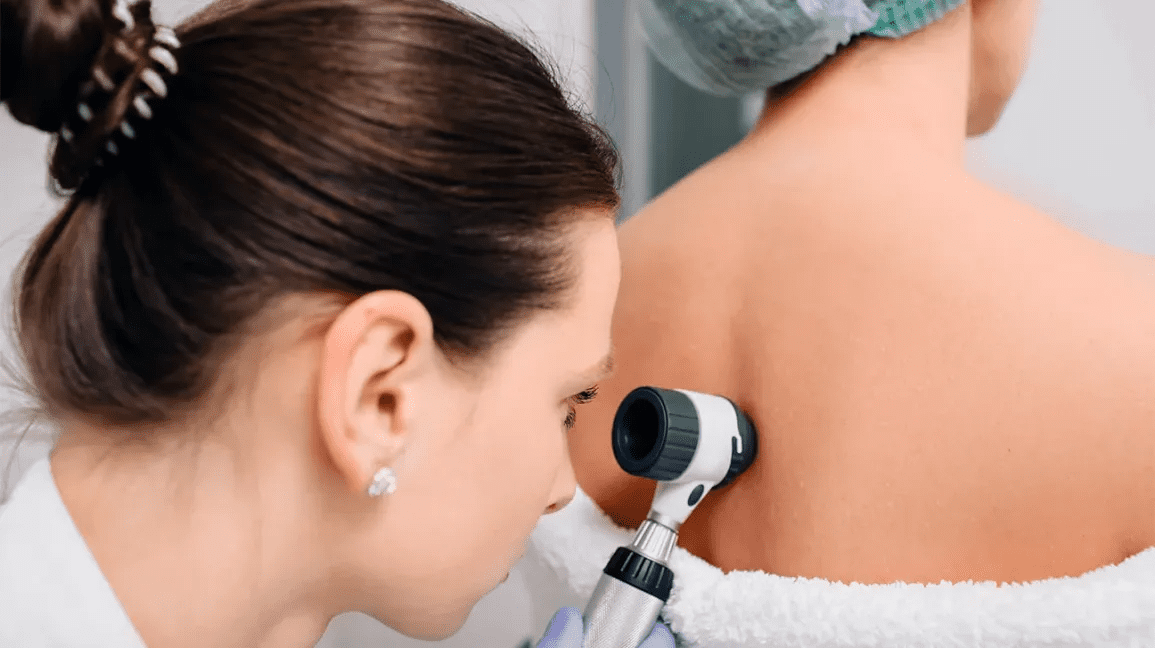
Healthy skin and strong hair are important parts of overall wellness and self-confidence. Many people experience common problems such as acne, hair fall, dandruff, dry skin, pigmentation, wrinkles, scalp irritation, or uneven skin tone. While some minor issues can improve with home remedies, many conditions require professional care and proper medical guidance. This is where dermatologists play a very important role.
Dermatologists are medical specialists trained to diagnose and treat skin, hair, scalp, and nail conditions. They understand how factors like stress, hormones, nutrition, lifestyle, genetics, aging, and environmental damage affect skin and hair health.

Today, modern dermatology combines medical science, advanced technology, skincare treatments, and lifestyle guidance to help people maintain healthier skin and stronger hair. Websites such as juntosseguros.com often discuss healthcare awareness, wellness, and the importance of professional medical support for maintaining a healthy lifestyle.
This article explains in detail how dermatologists improve skin and hair health and why professional skincare support is becoming increasingly important in modern life.
Understanding the Role of a Dermatologist
A dermatologist is a healthcare professional who specializes in treating conditions related to:
- Skin
- Hair
- Scalp
- Nails
Dermatologists diagnose medical and cosmetic concerns while creating personalized treatment plans for each patient.
They help treat issues such as:
- Acne
- Hair loss
- Skin allergies
- Pigmentation
- Eczema
- Psoriasis
- Dandruff
- Skin infections
- Premature aging
Because every person has different skin types and hair textures, dermatologists customize treatments based on individual needs.
How Dermatologists Improve Skin Health
Healthy skin protects the body from environmental damage, infections, and harmful bacteria. However, stress, pollution, unhealthy diets, and poor skincare habits can negatively affect skin quality.
Dermatologists improve skin health through professional treatments, skincare routines, medical therapies, and preventive care.
Treating Acne and Pimples
Acne is one of the most common skin problems affecting both teenagers and adults. Acne may develop because of hormones, stress, oily skin, bacteria, or clogged pores.
Dermatologists improve acne by identifying the root cause and recommending suitable treatments.
Medicated Creams and Gels
Dermatologists often prescribe creams that reduce inflammation and clear blocked pores.
Chemical Peels
Chemical peels remove damaged skin cells and improve acne scars and skin texture.
Oral Medications
In severe cases, oral medicines may help control hormonal or inflammatory acne.
Personalized Skincare Routines
Dermatologists also recommend cleansers, moisturizers, and sunscreens suitable for the patient’s skin type.
Professional acne care not only reduces pimples but also prevents long-term scarring and pigmentation.
Improving Skin Texture and Skin Glow
Many people visit dermatologists because of dull skin, rough texture, or uneven tone. Dermatologists use several methods to improve skin smoothness and brightness.
Exfoliation Treatments
Exfoliation removes dead skin cells that make the skin appear rough or tired.
Professional exfoliation improves:
- Skin softness
- Brightness
- Texture
- Product absorption
Microneedling
Microneedling stimulates collagen production by creating tiny controlled skin injuries.
This treatment helps improve:
- Acne scars
- Fine lines
- Skin firmness
- Uneven texture
Laser Treatments
Laser procedures target pigmentation, wrinkles, sun damage, and skin discoloration.
Modern laser treatments can improve skin appearance safely under professional supervision.
Preventing Premature Aging
Aging naturally affects the skin over time. However, stress, pollution, smoking, and sun exposure can accelerate wrinkles and fine lines.
Dermatologists help slow aging through preventive care and anti-aging treatments.
Anti-Aging Treatments Include:
- Retinol creams
- Collagen-supporting therapies
- Hydration treatments
- Laser resurfacing
- Botox and fillers
Dermatologists also emphasize daily sunscreen use because sun damage is one of the main causes of premature aging.
Treating Skin Conditions and Allergies
Many people suffer from skin conditions that cause discomfort and irritation.
Dermatologists treat conditions such as:
- Eczema
- Psoriasis
- Rosacea
- Skin allergies
- Fungal infections
- Dry skin disorders
Proper diagnosis is important because incorrect treatment can worsen skin problems.
How Dermatologists Improve Hair Health
Hair health is closely connected to scalp condition, nutrition, hormones, and genetics. Hair loss or scalp problems can affect confidence and emotional well-being.
Dermatologists help improve hair health by identifying underlying causes and recommending targeted treatments.
Treating Hair Loss
Hair fall is one of the most common reasons people visit dermatologists.
Hair loss may happen because of:
- Stress
- Hormonal changes
- Poor nutrition
- Genetics
- Scalp infections
- Medical conditions
Dermatologists first examine the scalp and hair condition before creating a treatment plan.
Hair Loss Treatments May Include:
Medicated Shampoos
Special shampoos help improve scalp health and reduce hair shedding.
Hair Growth Solutions
Topical solutions stimulate hair follicles and improve growth.
Nutritional Guidance
Vitamin deficiencies can affect hair growth. Dermatologists often recommend healthier diets and supplements.
PRP Therapy
Platelet-rich plasma therapy is a modern treatment that may improve hair growth naturally.
Improving Scalp Health
Healthy hair starts with a healthy scalp. Scalp problems such as dandruff, itching, oiliness, or fungal infections can weaken hair.
Dermatologists help improve scalp health through:
- Medicated shampoos
- Scalp cleansing treatments
- Anti-fungal therapies
- Oil control treatments
Balanced scalp health improves hair strength and reduces breakage.
The Importance of Nutrition for Skin and Hair
Dermatologists often explain that healthy skin and hair begin from inside the body. Nutrition directly affects appearance and overall wellness.
Important Nutrients for Healthy Skin and Hair
| Nutrient | Benefits |
| Protein | Strengthens hair structure |
| Vitamin C | Supports collagen production |
| Omega-3 | Improves skin hydration |
| Iron | Supports healthy hair growth |
| Zinc | Helps skin repair |
Balanced diets rich in fruits, vegetables, proteins, and healthy fats improve long-term skin and hair health.
Lifestyle Habits Dermatologists Recommend
Professional treatments work best when combined with healthy daily habits.
Staying Hydrated
Drinking enough water helps maintain skin hydration and softness.
Sleeping Properly
Good sleep allows the skin to repair itself naturally.
Managing Stress
Stress can trigger acne, hair loss, and skin irritation.
Avoiding Smoking
Smoking damages collagen and accelerates skin aging.
Using Sunscreen Daily
Sunscreen protects the skin from harmful UV rays, pigmentation, and wrinkles.
Healthy habits improve the effectiveness of dermatology treatments.
Advanced Dermatology Treatments
Modern dermatology now offers advanced cosmetic and medical procedures for skin and hair concerns.
Laser Therapy
Used for pigmentation, scars, and skin rejuvenation.
Botox and Fillers
Help reduce wrinkles and improve facial appearance.
PRP Therapy
Used for hair restoration and skin rejuvenation.
Chemical Peels
Improve texture, acne scars, and skin brightness.
These procedures are performed under professional supervision for safer and more effective results.
Emotional Benefits of Healthy Skin and Hair
Healthy skin and hair affect emotional confidence and mental well-being.
People often feel more comfortable socially when they are satisfied with their appearance. Dermatologists not only improve physical appearance but also help patients regain confidence and self-esteem.
This emotional improvement can positively affect relationships, careers, and overall quality of life.
When Should You Visit a Dermatologist?
People should consider visiting a dermatologist if they experience:
- Severe acne
- Hair thinning
- Excessive hair fall
- Persistent dandruff
- Skin allergies
- Dark spots
- Itchy scalp
- Skin infections
- Unusual moles or rashes
Early treatment often prevents problems from becoming more serious.
Healthcare and wellness platforms like juntosseguros.com continue raising awareness about the importance of professional healthcare guidance and preventive wellness solutions for healthier living.
FAQs
1. How do dermatologists improve skin health?
Dermatologists improve skin health through treatments such as acne therapy, chemical peels, laser procedures, hydration routines, and personalized skincare advice.
2. Can dermatologists help with hair loss?
Yes, dermatologists diagnose the causes of hair loss and recommend treatments such as medicated shampoos, scalp therapies, nutritional support, and hair restoration procedures.
3. Why is scalp health important for hair growth?
A healthy scalp supports stronger hair follicles and reduces issues like dandruff, irritation, and excessive hair shedding.
4. What foods improve skin and hair health?
Foods rich in protein, vitamins, omega-3 fatty acids, fruits, vegetables, and healthy fats help improve skin glow and hair strength.
5. When should someone visit a dermatologist?
People should visit a dermatologist if they experience severe acne, hair thinning, scalp problems, skin allergies,
Conclusion
Understanding how dermatologists improve skin and hair health helps people recognize the importance of professional skincare and scalp care. Dermatologists use medical knowledge, modern treatments, personalized routines, and lifestyle guidance to improve both physical appearance and long-term wellness.
From acne treatment and anti-aging solutions to hair restoration and scalp therapies, dermatologists help patients achieve healthier skin, stronger hair, and greater confidence.
Healthy skin and hair are not only about beauty — they also reflect proper self-care, balanced health, and emotional well-being. With professional guidance and consistent healthy habits, people can maintain glowing skin and strong hair for many years.
- How Virtual Workspaces Improve Team Productivity
- How Can Metromsk.com Improve Website Traffic? A Complete Guide for Businesses
- Can I Bookmark Comics on Reaper Scans? A Complete Guide for Manga and Manhwa Readers
- What Should I Do If I Type Onboardicafe.con by Mistake? A Complete Guide
- Can I Watch Movies Safely Instead of Fimlyzilla? A Complete Guide to Legal and Secure Streaming
