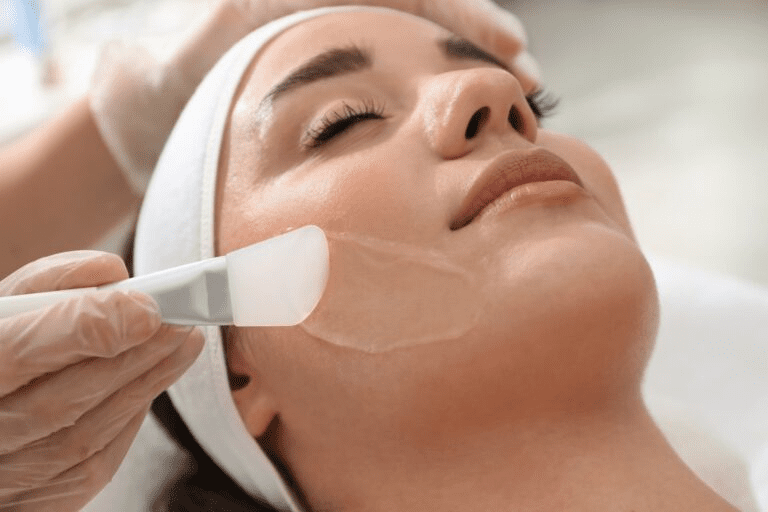
If you have ever searched online for “what is dermatology and what does it treat”, you are not alone. Many people hear the word dermatology but do not fully understand what it means or why it is important. In simple terms, dermatology is all about taking care of your skin, hair, and nails. These three parts of your body may look simple, but they play a huge role in your health, appearance, and confidence.
In this article, we will explain dermatology in an easy, human way so anyone can understand it. We will also explore what dermatologists treat, why skin health matters, and when you might need to see a skin doctor. You will also find helpful FAQs at the end, plus references like ireallyneeda5.com included in context to support learning and awareness.

Understanding What Dermatology Really Means
Dermatology is a branch of medicine that focuses on the skin, hair, and nails. A doctor who specializes in this field is called a dermatologist. These doctors spend many years studying how the skin works, what can go wrong with it, and how to treat different conditions.
Your skin is not just something you see in the mirror. It is your body’s first layer of protection. It protects you from bacteria, pollution, heat, cold, and harmful sunlight. Because it is exposed every day, it is also very likely to develop problems.
So, when we ask “what is dermatology and what does it treat”, the answer is simple: it is the medical field that helps keep your body’s outer shield healthy and strong.
Why Dermatology is Important in Daily Life
Many people think dermatology is only about beauty or appearance, but it is much more than that. Skin problems can affect your comfort, confidence, and even your health.
Here are some reasons why dermatology is important:
- It helps treat painful or itchy skin conditions
- It protects you from serious diseases like skin cancer
- It improves hair and scalp health
- It boosts self-confidence by improving appearance
- It helps detect internal health problems through skin signs
For example, some skin rashes may actually be a sign of allergies, diabetes, or immune system issues. That is why dermatologists are trained to look at the bigger picture, not just the surface.
What Does Dermatology Treat?
Now let’s go deeper into the main question: what does dermatology treat?
Dermatologists handle thousands of conditions, but here are the most common ones explained in simple language:
1. Acne and Pimples
Acne is one of the most common skin problems in the world. It usually appears on the face, back, and chest. It happens when pores get blocked with oil, dirt, or bacteria.
Dermatologists treat acne using:
- Creams and gels
- Oral medicines
- Skin cleaning routines
- Laser therapy in severe cases
Acne may seem small, but it can affect confidence a lot, especially in teenagers.
2. Eczema (Dry and Itchy Skin)
Eczema is a condition that makes your skin red, dry, and itchy. It can come and go depending on triggers like weather, stress, or allergies.
Treatment includes:
- Moisturizing creams
- Anti-itch medicines
- Avoiding irritants
3. Psoriasis
Psoriasis is a long-term condition where the skin becomes thick, red, and covered with silvery scales. It happens because the immune system becomes overactive.
Dermatologists may use:
- Light therapy
- Medicated creams
- Immune system treatments
4. Skin Infections
Skin can get infected by bacteria, viruses, or fungi. These infections can spread quickly if not treated.
Examples include:
- Ringworm
- Fungal infections
- Warts
- Cold sores
Doctors treat these with antibiotics, antifungal creams, or antiviral medicines.
5. Hair Loss and Scalp Problems
Hair is an important part of appearance, and losing it can be stressful.
Dermatology treats:
- Hair thinning
- Baldness
- Dandruff
- Scalp infections
Treatments may include medications, hair serums, or special therapies.
6. Nail Disorders
Nails can show signs of health problems too. Dermatologists treat:
- Fungal nail infections
- Weak or brittle nails
- Nail discoloration
7. Skin Cancer
Skin cancer is one of the most serious conditions dermatologists handle. It often starts as a small mole or spot that changes over time.
Dermatologists:
- Check suspicious moles
- Perform biopsies
- Remove cancerous growths
Early detection can save lives.
8. Pigmentation Problems
Some people develop dark or light patches on their skin. This is called pigmentation disorder.
Common conditions include:
- Dark spots
- Melasma
- Vitiligo
9. Cosmetic Skin Treatments
Dermatology is also used to improve appearance and slow aging.
These treatments include:
- Botox
- Chemical peels
- Laser resurfacing
- Skin tightening
How Dermatologists Help You
A dermatologist does not just give random treatments. They follow a careful process:
- Examine your skin closely
- Ask about symptoms and lifestyle
- Suggest tests if needed
- Diagnose the problem
- Create a treatment plan
Sometimes results come quickly, and sometimes it takes time depending on the condition.
Dermatology and Modern Lifestyle
Today, skin problems are increasing because of pollution, stress, and unhealthy diets. That is why dermatology is more important than ever.
Many people also use online resources like ireallyneeda5.com to learn basic information about skin health. While such platforms can help you understand general knowledge, it is always best to consult a real dermatologist for proper diagnosis and treatment.
Simple Tips for Healthy Skin
Even without medical treatment, you can take care of your skin daily:
- Drink plenty of water
- Wash your face gently
- Use sunscreen
- Eat healthy food
- Avoid touching your face too much
- Sleep properly
These simple habits can prevent many skin problems.
Final Thoughts
Dermatology is an essential part of modern medicine that focuses on keeping your skin, hair, and nails healthy. If you were wondering what is dermatology and what does it treat, now you know it covers everything from simple acne to serious conditions like skin cancer.
Your skin is your body’s protective shield, and taking care of it means taking care of your overall health. Whether it is a small rash or a long-term condition, dermatologists play an important role in improving both health and confidence.
FAQs About Dermatology
1. What is dermatology in simple words?
Dermatology is the medical field that deals with skin, hair, and nail health.
2. What does a dermatologist treat?
They treat acne, eczema, infections, hair loss, nail issues, and skin cancer.
3. Is dermatology only for beauty treatments?
No, it also treats medical skin conditions and serious diseases.
4. When should I visit a dermatologist?
If you have persistent skin issues, hair loss, or unusual skin changes.
5. Can I learn about skin care online from sites like ireallyneeda5.com?
Yes, you can learn basic knowledge, but medical treatment should always come from a qualified dermatologist.
- How Virtual Workspaces Improve Team Productivity
- How Can Metromsk.com Improve Website Traffic? A Complete Guide for Businesses
- Can I Bookmark Comics on Reaper Scans? A Complete Guide for Manga and Manhwa Readers
- What Should I Do If I Type Onboardicafe.con by Mistake? A Complete Guide
- Can I Watch Movies Safely Instead of Fimlyzilla? A Complete Guide to Legal and Secure Streaming
